




If you've ever sunk into a sofa only to realize there's nowhere to rest your head, you already understand why high-back sofas exist. A couch with a high back solves a specific problem — neck and head support — and it does it in a way that also changes the visual presence of a room entirely. Whether you're designing a formal sitting room, a cozy den, or a home office with a lounge area, high-back sofas deserve serious consideration.
What Exactly Is a High-Back Sofa?
A high-back sofa is any sofa where the backrest extends significantly above the sitter's shoulder line. Most standard sofas have backs that hit somewhere between mid-back and shoulder height. A high-back version goes beyond that, providing full head and neck support without needing a separate headrest or throw pillow stack.
The back height usually falls somewhere between 36 and 45 inches from the floor (measuring to the top of the back cushion). Some formal high-back sofas — particularly traditional and Victorian-inspired styles — can go even taller.
Who Benefits Most from a High-Back Sofa?
High-back sofas aren't just aesthetic choices — they serve real ergonomic purposes for certain users:
Taller individuals: People over 6 feet often find standard sofas frustratingly short in the back. A high-back model provides the support their frame actually needs.
People with neck or back discomfort: The additional back height reduces the need to prop yourself up with pillows and keeps the spine better aligned during extended sitting.
Readers and remote workers: If you spend long stretches on the sofa reading or working on a laptop, head support significantly reduces neck fatigue.
Elderly users: The higher back is easier to lean against and, in some configurations, provides leverage for standing up.
Popular Styles of High-Back Sofas
Traditional Wing Chair-Style Sofas
These pull from classic English furniture design, with flared "wings" at the top corners of the backrest that wrap partially around the sitter's head. They read as formal and architectural, and they work beautifully in traditional or transitional interiors.
Contemporary High-Back Sectionals
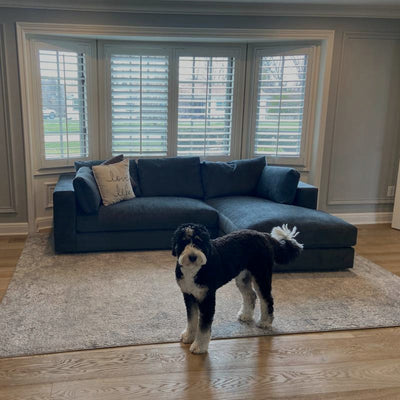
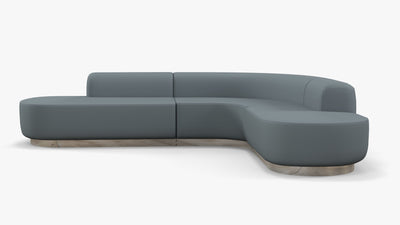
Modern high-back sofas strip away the decorative elements and focus on clean lines and generous upholstered backs. These work well in contemporary or minimalist rooms and can anchor an entire living space with their strong vertical presence.
High-Back Lawson Sofas
The Lawson silhouette — cushioned backs and arms, casual and inviting — translated into a high-back version creates something that feels both comfortable and substantial. Great for family rooms where comfort is the priority.
How a High-Back Sofa Changes a Room's Feel
One of the less obvious benefits of a high-back sofa is its impact on the room's spatial dynamics. A taller back creates a visual anchor in the room and draws the eye upward, which can actually make ceilings feel higher. It also creates a sense of enclosure around the seating area — useful in open-plan spaces where you want to define a distinct "living zone" without using walls or room dividers.
In larger rooms, high-back sofas provide visual ballast. In smaller rooms, they can feel overwhelming unless the proportions are carefully managed. A high but narrow sofa in a small room can work — a high and wide one typically doesn't.
Styling Tips for High-Back Sofas
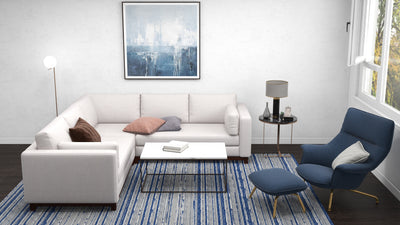
A high-back sofa is already a statement piece, so the styling approach should support rather than compete with it. Keep other furniture relatively low-profile. Use the sofa as the visual anchor and layer in accent chairs and side tables that don't fight for vertical attention. Textured throw blankets and a few well-chosen cushions can soften the silhouette without undermining its presence.
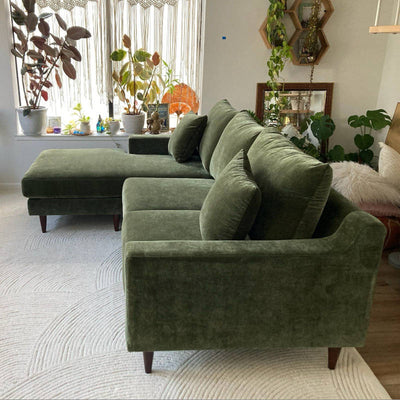
For color, high-back sofas look particularly striking in deep, rich tones — forest green, navy, burgundy, or charcoal. But a neutral linen or cream high-back sofa in a traditional room can be equally compelling. The drama comes from the silhouette itself; the color sets the mood.
Find Your High-Back Sofa at What A Room Today
What A Room carries a curated range of high-back sofas in styles ranging from contemporary to traditional — available in custom fabric and sizing options so you get exactly the look and fit your room calls for.
Frequently Asked Questions
Q1: Is a high-back sofa good for back pain?
It can be, yes. The extended back height supports the full length of your spine, including the upper back and neck — areas that standard sofas often leave unsupported. Combined with good seat depth and firm cushions, a high-back sofa can significantly reduce back discomfort during extended sitting.
Q2: What's the difference between a high-back sofa and a wing sofa?
A wing sofa is a type of high-back sofa with distinctive side wings that curve around the sitter's head. Not all high-back sofas have wings — some are simply taller with a straight or slightly curved back profile. The wing version is more traditional in style.
Q3: Do high-back sofas work in small rooms?
They can, but proportion matters. A high but relatively narrow sofa won't overwhelm a small room the way a wide, tall sofa would. Keep surrounding furniture low to let the sofa be the standout element without crowding the visual field.
Q4: Are high-back sofas comfortable for shorter people?
For shorter individuals, the head rest may sit above where they naturally lean, which can feel awkward. The best approach is to try before you buy or look for high-back models with cushioned, slightly angled backs that accommodate different heights.
Q5: How tall is a high-back sofa typically?
Most high-back sofas measure between 36 and 45 inches from the floor to the top of the back. Some formal or statement styles go higher, but this range covers the majority of high-back options available today.


