




Buying custom furniture is often seen as an exciting upgrade—something that finally lets you get the perfect size, fabric, and design for your home. But what most people overlook is that there’s a hidden step before placing an order that can completely determine whether your furniture feels perfect or becomes a regret.
That step is planning your space with intention before choosing any design details. At What A Room, we design and build custom sofas tailored to your space, and we see this mistake happen all the time—customers focus on fabric and style first, instead of function, scale, and layout.
The truth is, custom furniture is not just about aesthetics. It’s about how your room works every single day. From traffic flow to seating purpose to room proportions, skipping this planning stage often leads to pieces that look great online but feel “off” in real life.
In this guide, we’ll break down the hidden step most people miss before buying custom furniture, and how doing it right ensures your investment is comfortable, functional, and long-lasting.
The Hidden Step: Planning Your Space Before Choosing Custom Furniture
The most important step before ordering custom furniture is understanding your space at a functional level—not just visual inspiration.
Most buyers jump straight into styles, fabrics, and Pinterest ideas. But without proper spatial planning, even the most beautiful design can fail in real use.
At What A Room, we focus on comfort, durability, and customization, but we always start with one question: how will this furniture actually live in your space?
This hidden step includes:
-
Measuring usable floor space (not just room size)
-
Identifying walking paths and movement flow
-
Understanding focal points like TV placement or windows
-
Defining how many people actually use the seating daily
Without this foundation, even high-end custom furniture can feel too big, too small, or awkwardly placed.
Why Space Planning Matters More Than Style
When people think about custom furniture, they usually think about design first. But space planning has a much bigger impact on long-term satisfaction.
We create furniture that is made to fit your home and lifestyle, and that only works when the layout supports the way you live.
A sofa that looks perfect in a showroom may not work in your home because:
-
Your room may have different proportions
-
Your walking space may be narrower
-
Your seating needs may be higher or lower
-
Your layout may require flexibility for multiple uses
Good furniture layout planning ensures your piece doesn’t just fit physically, but also enhances movement, comfort, and usability.
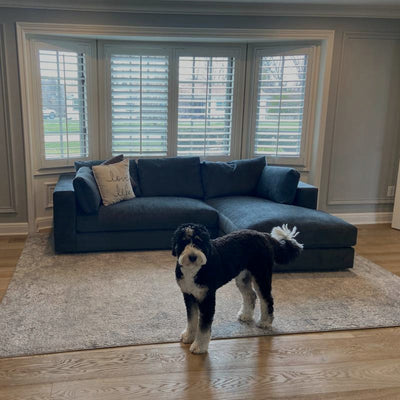
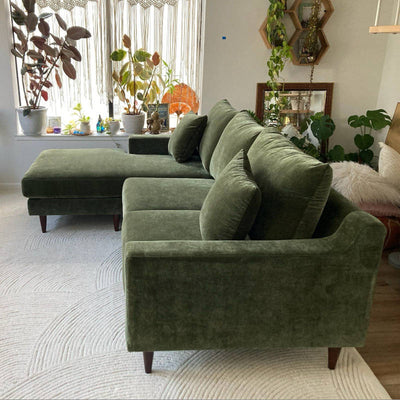
For example, a large sectional in a tight living room can block natural pathways. Meanwhile, a smaller modular design might open up the space and make it feel larger and more functional.
The Most Common Mistake When Buying Custom Furniture
One of the biggest mistakes people make when ordering custom furniture is relying on imagination instead of measurement.
Many buyers visualize how a piece will look, but they don’t map it out accurately in their actual space.
We often see customers underestimate scale, especially with sectionals and sofas. What looks “medium-sized” in a photo can feel massive in a real room.
Proper sofa size planning involves:
-
Marking dimensions on the floor using tape
-
Considering armrest width and depth
-
Accounting for coffee tables and side tables
-
Leaving clearance for walking paths
Without this step, even well-designed custom furniture can overwhelm a space or feel disconnected from the room layout.
How Custom Furniture Should Match Your Lifestyle
Custom furniture should never be just about appearance—it should be designed around your lifestyle.
We design and build custom sofas tailored to your space, but also to how you use your home every day.
For example:
-
Families with kids often need durable, easy-to-clean fabrics
-
Frequent hosts may need deeper seating and larger sectionals
-
Small-space homeowners may need modular flexibility
-
Open-concept homes may require pieces that define zones
This is where customization becomes powerful. Instead of adapting your life to furniture, your furniture adapts to you.
Understanding lifestyle needs before choosing design details is part of the hidden step most buyers skip.
Measuring Flow and Function Before You Buy
Another overlooked part of buying custom furniture is movement flow. A room should feel easy to walk through, not blocked or tight.
We focus on comfort, durability, and customization, but functionality always starts with flow.
Ask yourself:
-
Can people move easily around the furniture?
-
Is the seating area naturally connected to the room?
-
Does the layout support conversation or entertainment?
-
Are there any tight or unused corners?
Good custom furniture design should improve how a room functions, not just fill it visually.
When flow is ignored, even expensive furniture can feel frustrating in daily use.
Production Timeline and Why Planning Early Matters
Once your design is finalized, timing becomes an important factor in custom furniture planning.
Our custom furniture is built with a production timeline of 4–5 weeks, followed by 1–2 weeks for delivery.
This means the planning stage becomes even more important because adjustments after ordering are limited.
If measurements or layout decisions are rushed, it can lead to avoidable delays or design compromises.
Planning early ensures:
-
Fewer revisions during production
-
Better alignment with your space
-
A smoother installation experience
-
Higher long-term satisfaction
Custom furniture is an investment, and proper planning protects that investment.
Design Your Custom Sofa with Us at What A Room
We design and build custom sofas tailored to your space, and we guide every customer through the hidden planning step most people skip before buying custom furniture.
We offer full customization, including size, fabric selection, configuration, and comfort level, so your furniture is designed around how you actually live.
Whether you're building a compact sofa for a small apartment or a large sectional for an open living room, we help ensure it fits your space both visually and functionally.
The goal is simple: create furniture that fits your home perfectly from day one.
Conclusion
The biggest mistake people make when buying custom furniture is skipping the planning stage and focusing only on design. While style matters, function, space, and flow determine whether a piece truly works in your home.
By understanding your layout, measuring properly, and considering lifestyle needs first, you avoid costly mistakes and create a space that feels intentional and comfortable.
We believe great custom furniture starts with thoughtful planning, not just beautiful design.
FAQs
1. What is the most important step before buying custom furniture?
The most important step is planning your space, including measurements, layout, and movement flow. This ensures the furniture fits both physically and functionally in your home.
2. Why do people regret buying custom furniture?
Most regrets come from skipping proper space planning. Furniture may look good online but feel too large, too small, or poorly placed in the actual room.
3. How do I plan a room for custom furniture?
Start by measuring your space, marking furniture dimensions on the floor, and identifying walking paths. This helps visualize how the layout will function in real life.
4. Does custom furniture take longer to deliver?
Yes, at What A Room, production takes 4–5 weeks followed by 1–2 weeks for delivery. This timeline ensures quality craftsmanship and careful build execution.
5. Is custom furniture worth it for small spaces?
Yes, custom furniture is especially useful for small spaces because it can be designed to fit exact dimensions and maximize functionality without wasted space.
6. What mistakes should I avoid when buying custom furniture?
Avoid guessing measurements, ignoring room flow, and focusing only on style. Always prioritize function and layout before choosing design details.
7. Can I customize the size and fabric of my furniture?
Yes, we offer full customization including size, fabric, configuration, and comfort level to match your space and lifestyle.
8. How do I know what size sofa I need?
Measure your room, account for walking space, and use floor marking tape to visualize size. This helps prevent oversizing or undersizing your sofa.
9. What makes custom furniture better than ready-made furniture?
Custom furniture is designed specifically for your space and needs, offering better fit, comfort, and long-term usability compared to standard sizes.
10. How does What A Room help with planning custom furniture?
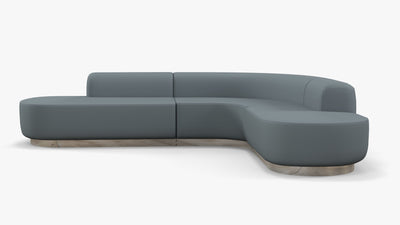
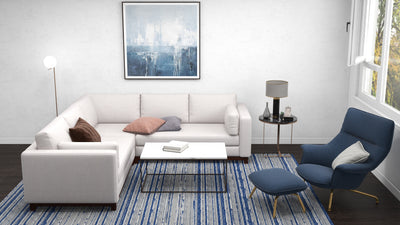
We offer free design consultations and guide customers through layout planning, sizing, and customization to ensure every piece fits perfectly before production begins. Our consultations include free 3D and 2D renderings.


